
Articles
Architecture
January 18, 2026

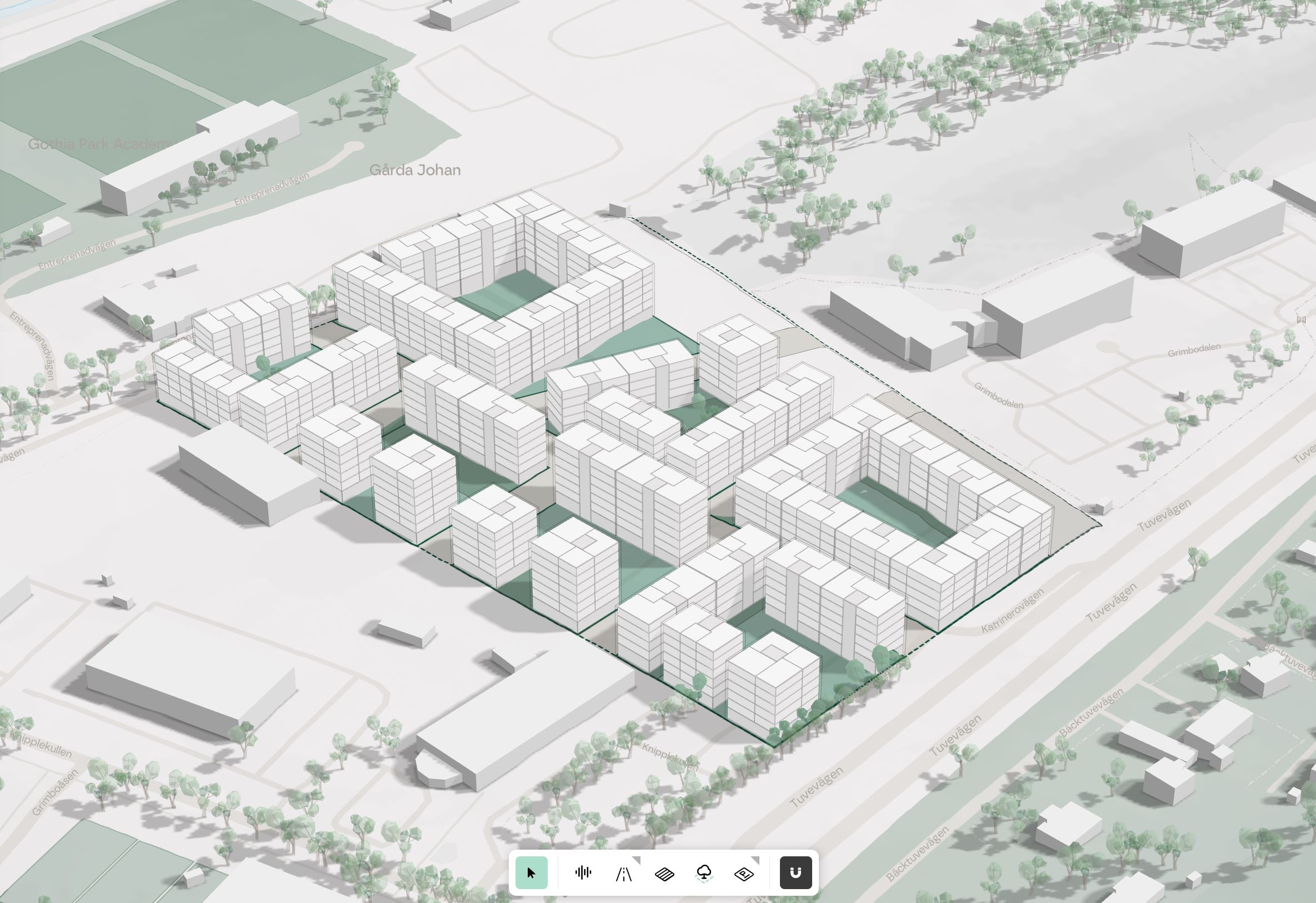

For a long time, size decided who had an advantage.
Large architecture firms and well-funded developers could afford long feasibility studies, many internal iterations, and weeks of early work before a project was even secured. Smaller firms often had to choose between doing a lot of unpaid work or stepping away from opportunities entirely.
That is starting to change.
Today, very small teams, sometimes just two or three people, can use AI-based tools to work faster, reduce risk, and show clearer ideas early on. This is not about replacing expertise. It is about making early decisions easier to understand and easier to discuss.
Here are five ways small teams use AI to compete with much larger players.
For small teams, time spent on early studies is a real cost. Losing a project after days of unpaid work hurts much more than it does for a large organization.
AI makes early studies faster. What once took days can often be done in a short working session. This allows small firms to explore more sites, test more ideas, and engage earlier without taking the same level of financial risk.
Some teams even use this speed as a business development tool, offering early studies because the cost is now manageable.
Early feasibility work is often hard to follow for anyone outside the design team. Results appear late, and it is not always clear why certain limits exist or why a project does not work.
With AI-supported tools, feasibility can be explored together with clients and stakeholders. As parameters change, volumes, yields, and constraints update immediately. People can see how rules affect outcomes instead of just hearing conclusions.
This visibility builds trust. When clients understand the constraints, they are more confident in the process and in the team guiding them.
Smaller firms often work with difficult sites. Irregular plots, strict regulations, flood zones, or unusual constraints. Larger organizations may avoid these because they are hard to analyze quickly.
AI helps teams work directly with constraints instead of around them. Multiple scenarios can be tested early, making it easier to understand what is possible and what is not. What used to be a disadvantage can become a strength when complexity is handled efficiently.
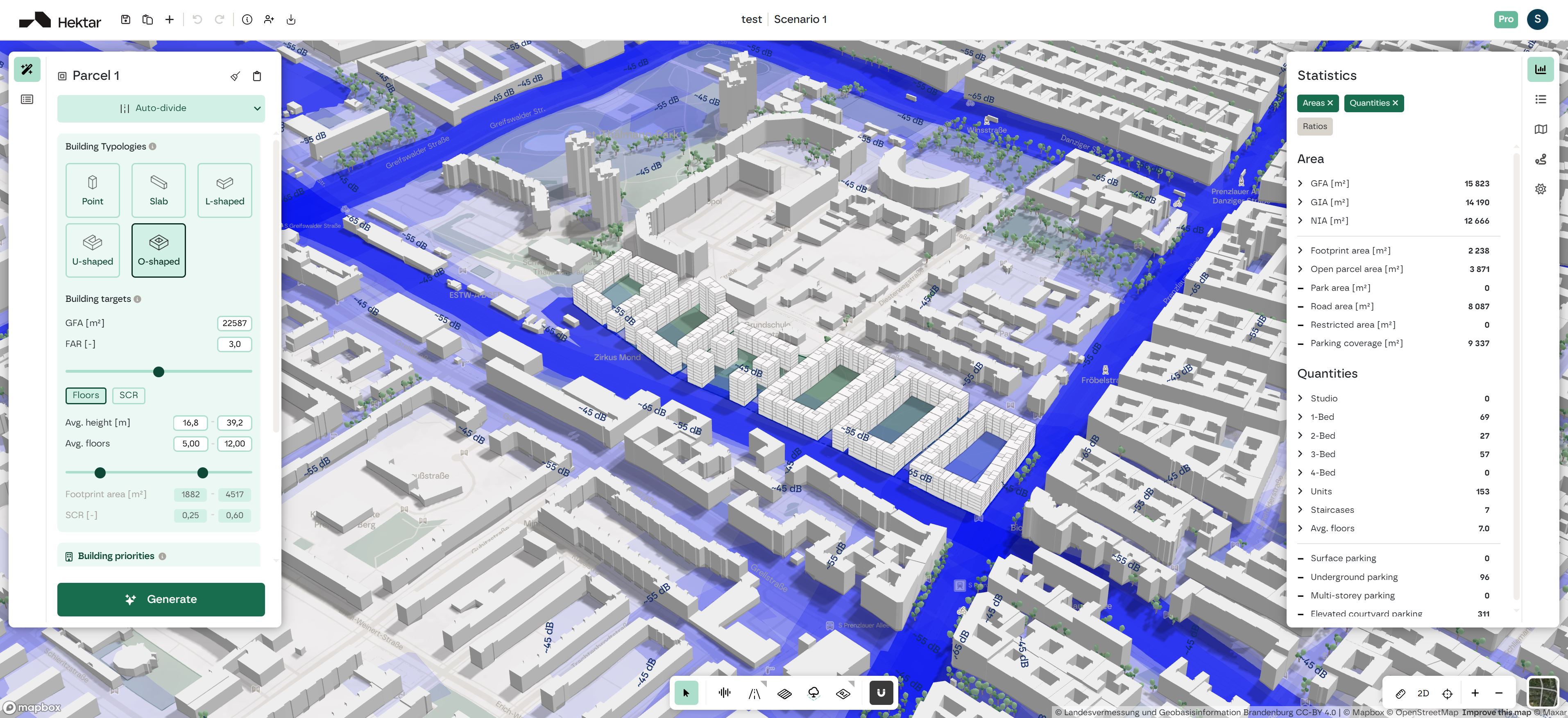
Many delays in early projects come from unclear communication rather than lack of ideas.
Simple volumetric models and clear visuals help non-designers understand proposals earlier. This leads to better conversations with municipalities, clients, investors, and boards. Questions come up sooner, when changes are still cheap.
The goal is not polished design. It is shared understanding.

Fixed fees are challenging for small teams. Clients want options, but every extra study takes time and reduces margins.
AI changes this balance. When generating and comparing options becomes faster, teams can offer more alternatives without working longer hours. Clients get better decision support, and teams stay profitable.
More options, when clearly framed, lead to faster and better decisions.
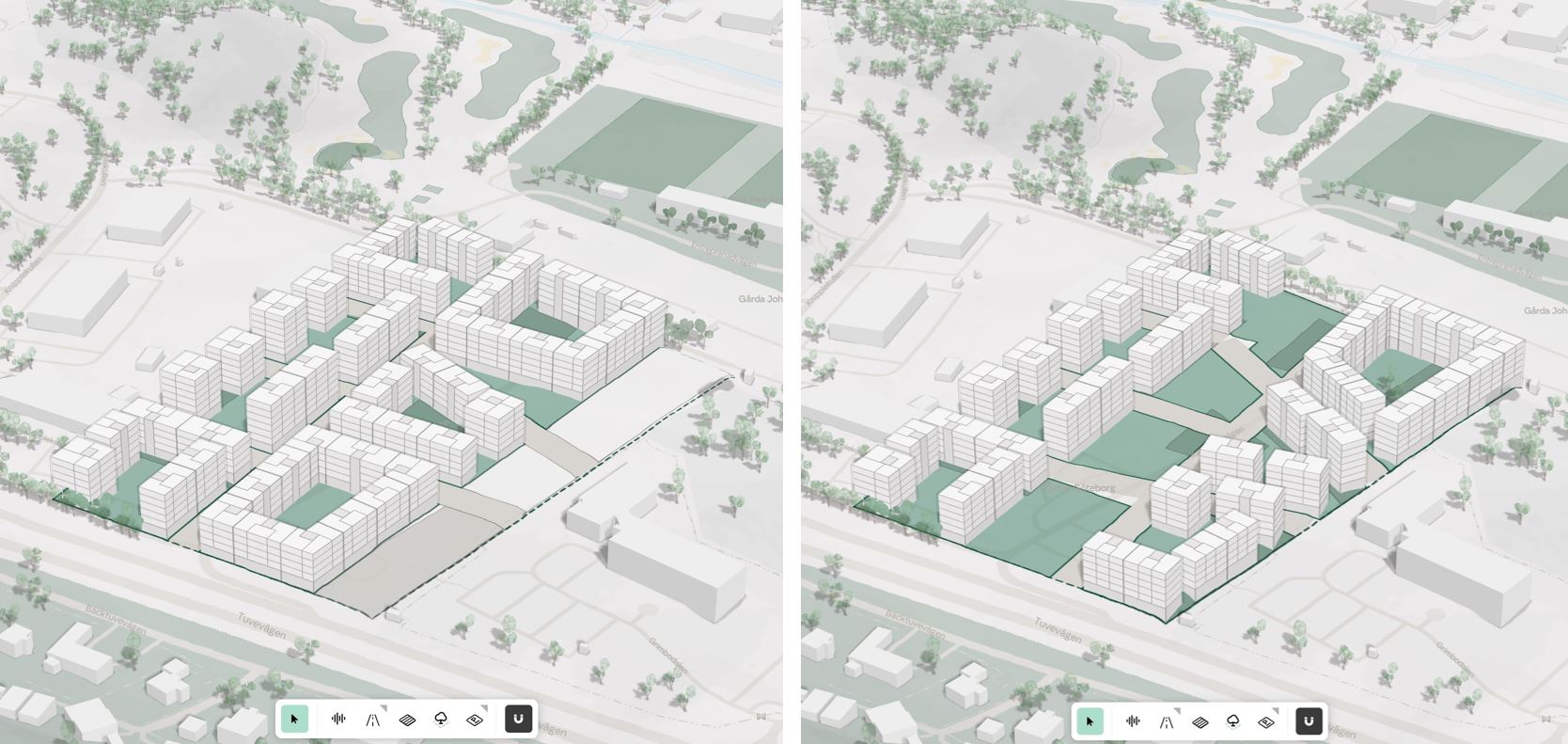
AI is changing who gets to compete in early-stage work.
Small architecture firms can handle more complex studies. Lean development teams can evaluate sites faster and communicate more clearly. What once required large teams and long lead times can now be done by focused groups with the right tools.
Hektar is built to support this way of working. It will not shorten planning processes or remove political complexity. But it can help teams think faster, work more clearly, and communicate better in early stages.
Small teams don't need more people. They need better tools, earlier.
Explore how Hektar can help your firm can increase impact. Get started here


